A Historical Retrospective
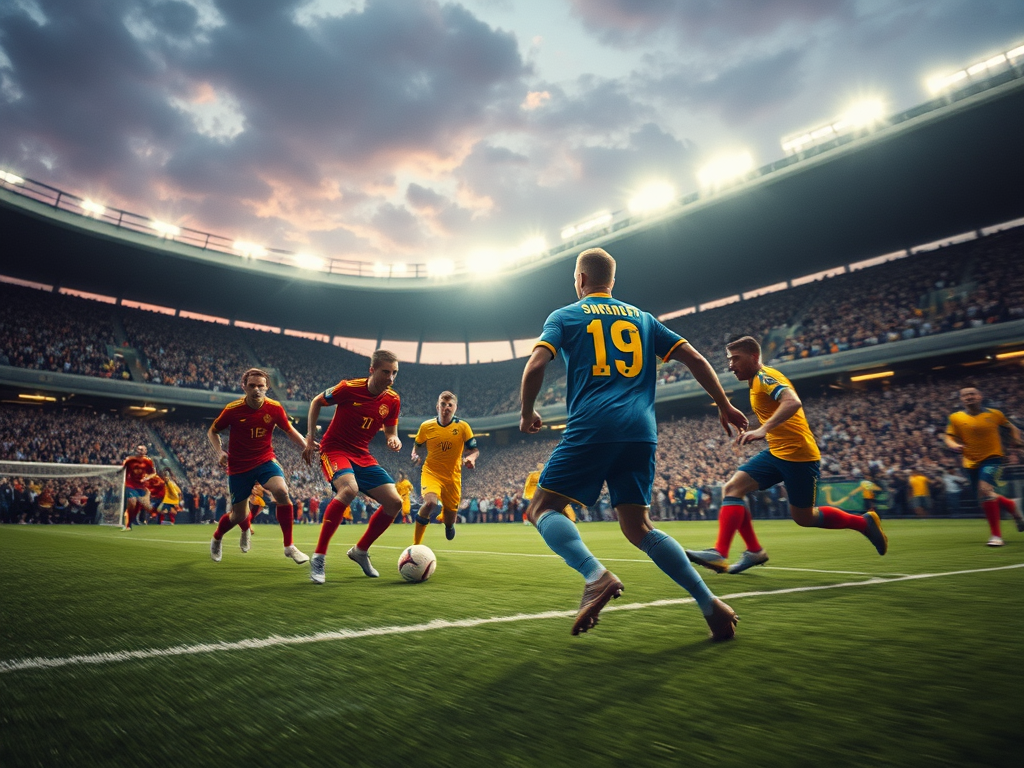
Sweden's national football team, known as Blågult, boasts a proud history, particularly regarding their performance in the World Cup. In 1958, they made their mark by reaching the finals of the FIFA World Cup held in Sweden. It was a tournament where stars like Gunnar Nordahl and Nils Liedholm shone the brightest. The final, played at Råsunda Stadium on June 29, ended in a loss to Brazil, but it cemented Sweden's status as a formidable football nation.
Now, with FIFA World Cup 2026 on the horizon, Blågult aims to leave a lasting impression on the international stage once again. The current stars, such as Alexander Isak and Victor Lindelöf, are crucial in building a new era of success.
Current Squad and Key Players
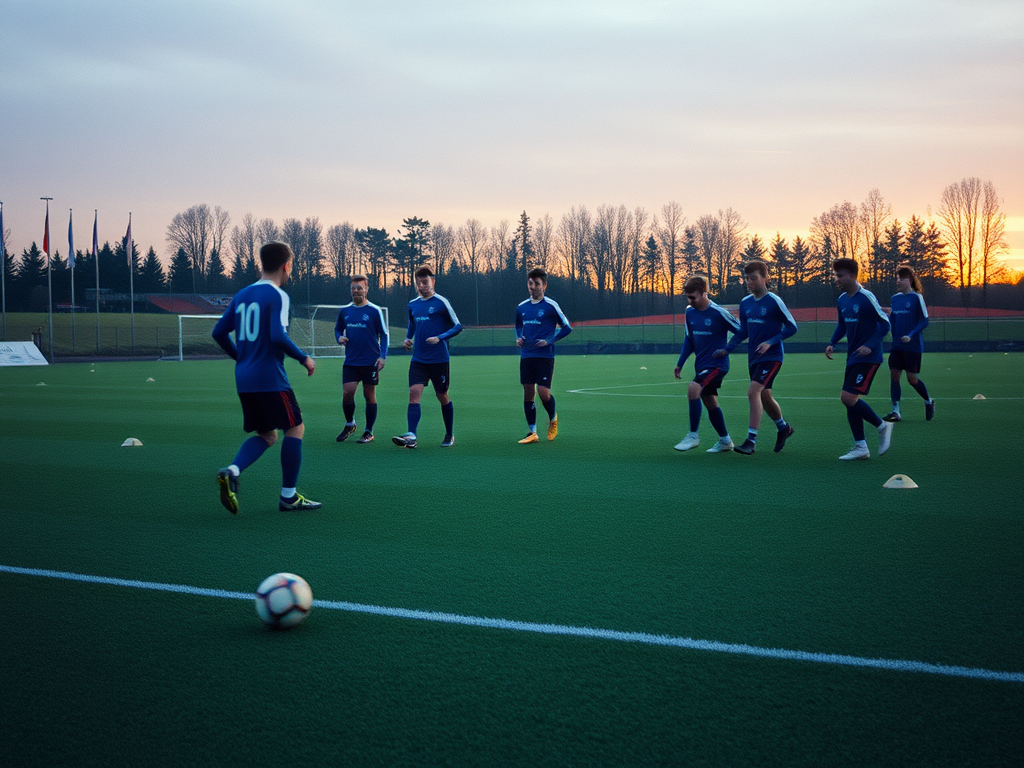
In contrast to the historic squad from 1958, today's Blågult features a young and energetic team, mixing experienced players with promising talents. Alexander Isak, one of Europe’s most exciting forwards, has been a key player during the qualifiers. With his rapid skills and goal-scoring abilities, he has the potential to become one of the most feared players in upcoming tournaments.
- Victor Lindelöf - A solid presence in defense and a leader on the pitch.
- Emil Forsberg - A creative midfielder who is often pivotal to the team’s offense.
- Dejan Kulusevski - Young and dynamic, capable of breaking through opposition defenses.
With these players in their ranks and under the guidance of coach Janne Andersson, the team has a solid foundation as they face the challenges of 2026.
Tactical Analysis of Blågult
Under Janne Andersson's leadership, Blågult has developed a tactical structure that combines defensive strength with offensive creativity. The team tends to play with a 4-4-2 formation, allowing them flexibility in both defense and attack.
- Defensive Stability: With a strong backline that includes Lindelöf and Mikael Lustig, the team manages to keep opponents at bay.
- Midfield Role: Forsberg and Albin Ekdal contribute both defensively and offensively.
- Attacking Play: Isak and Kulusevski are quick and technical, providing the team with opportunities to strike on counterattacks.
This tactical approach has brought them success in the qualifiers, and with the right adjustments, they could become a force to reckon with in 2026.
What It Means for Sweden
Returning to the World Cup stage is not just an achievement for the players but also a cultural triumph for the entire nation. Football is deeply ingrained in Swedish culture, and success on the international stage fosters pride and unity among the fans. While the team aims to perform well, there is significant pressure to live up to the past.
The legacy from 1958 serves as a constant reminder of what can be achieved, but there is also an understanding that each tournament is unique. This time, it is about building on the past and creating a new path forward. With a strong team and committed fan support, Blågult can surprise in 2026.
Fan Reactions and Future Outlook
Swedish football fans are known for their dedication and passion. While many will remember 1958 with nostalgia, it is time to look ahead. Social media has been buzzing with support and expectations for the upcoming championship. Fans are discussing:
- How the team can improve ahead of 2026.
- Which players might shine during the tournament.
- Expectations to reach the quarter-finals or beyond.
Blågult has a strong foundation, and with the support of fans, it is possible to replicate historic successes or even surpass them.
What's Next
With the 2026 World Cup in sight, preparations for Blågult are in full swing. The qualifying matches have provided the team with the necessary experience and tactical sharpness needed to compete at a high level. It will be crucial for the team to continuously develop and fine-tune their strategies.
Swedish football enthusiasts are eagerly anticipating next year’s championship, where Blågult has the chance to once again make history. Hopes are high, and with the right mindset, 2026 could mark a new golden era for Swedish football.